Transforming mortgage servicing at Mr. Cooper
The H.i. initiative by Mr. Cooper transformed complex mortgage servicing workflows into a streamlined, data-driven experience. Focused on improving efficiency for teams and simplifying the loan process for customers, the initiative addressed critical challenges through a design-centered approach.
- 80%
- call time reduction
- $8
- saved per call
- 50%
- efficiency boost
- 5x
- customer satisfaction
To comply with my non-disclosure agreement, I have anonymized and excluded specific information deemed confidential in this case study. The views expressed are my own and do not reflect those of my former employer, ThoughtWorks, or the client, Mr. Cooper.
Background
Mr. Cooper, a leading mortgage servicing company, faced growing challenges in supporting their teams and customers through the mortgage journey. Legacy systems, manual workflows, and disconnected processes created inefficiencies across the loan lifecycle. Legacy origination tools, supplemented by spreadsheets, calculators, and in-house workarounds, left mortgage professionals struggling to provide seamless service. Customers, in turn, encountered hurdles in application processing, communication, and document handling.
-
- Fragmented systems
- Legacy origination and lead-management tools lacked integration, forcing teams to juggle spreadsheets, calculators, and manual workflows.
-
- Process delays
- Manual data entry, pricing exceptions, and lengthy approvals created significant bottlenecks.
-
- Limited insights
- Teams lacked visibility into payment histories, credit scores, and property data, slowing decision-making.
-
- Operational inconsistency
- Workflows varied across teams, leading to inefficiencies and errors in loan processing.
This fragmented environment created an urgent need for transformation, laying the groundwork for the Home Intelligence (H.i.) initiative.
Vision
“Home Intelligence creates a unified, intelligent platform that transforms the mortgage lifecycle, empowering teams and delivering seamless, personalized loan experiences for every customer.”
My role
I joined the Home Intelligence (H.i.) initiative at its seed level as the Lead UX, contributing from the earliest stages of the project. My role focused on aligning user needs with business goals and technical frameworks, ensuring the design process addressed key challenges effectively. Key responsibilities included:
- Assessing existing research, analytics, and data to establish a foundational understanding of user pain points and workflows.
- Conducting targeted user research and mapping as-is journeys to address gaps and gather insights for diverse personas, including MPs, processors, underwriters, and borrowers.
- Facilitating design sessions to support discovery, ideation, and inception phases while fostering alignment across teams.
- Collaborating with cross-functional teams, including product managers, developers, and business analysts, to integrate design solutions into technical and product strategies.
- Building prototypes, conducting usability testing, and iterating based on feedback to refine solutions.
- Pairing with front-end developers to ensure designs transitioned seamlessly into functional features.
Design strategy
The design strategy was grounded in cross-functional collaboration and a deep understanding of user and business needs. Key pillars included:
- Collaboration-first mindset: Engaging stakeholders from design, product, and technology teams early and throughout the process to ensure alignment, feasibility, and scalability.
- Holistic understanding: Utilizing existing data and conducting targeted research to uncover workflows, user behaviors, and challenges across diverse personas.
- System unification: Reimagining tools and workflows to replace fragmented systems with a cohesive, integrated platform that supported all touchpoints in the loan lifecycle.
- Iterative evolution: Incorporating usability testing and feedback loops at every stage to refine and adapt solutions based on real-world scenarios.
Discovery
The discovery phase was designed to uncover the current state of mortgage servicing workflows, identify inefficiencies, and align teams on a clear path forward. This phase combined existing data analysis, mapping of workflows, and interactive workshops to build a shared understanding and foundation for what would come next.
Analysis and synthesis
We began by reviewing all available data and insights to understand the challenges faced by different user groups. This included MPs, processors, underwriters, and borrowers. For example, MPs often switched between disconnected tools, spreadsheets, and calculators to complete their tasks. This made their workflows inefficient and time-consuming. On the other hand, borrowers faced confusion with unclear instructions and delays in submitting documents, which caused frustration and uncertainty in the mortgage process.

To visualize this data and identify patterns, we organized insights collaboratively on a physical board using post-it notes. Mortgage Professionals (MPs), underwriters, and processors were brought into the room to share their inputs, helping us validate and refine assumptions. This exercise enabled us to cluster recurring challenges, identify tool fragmentation, and uncover gaps. The board became a living document that evolved throughout workshops, capturing a more concrete and accurate picture of user challenges.
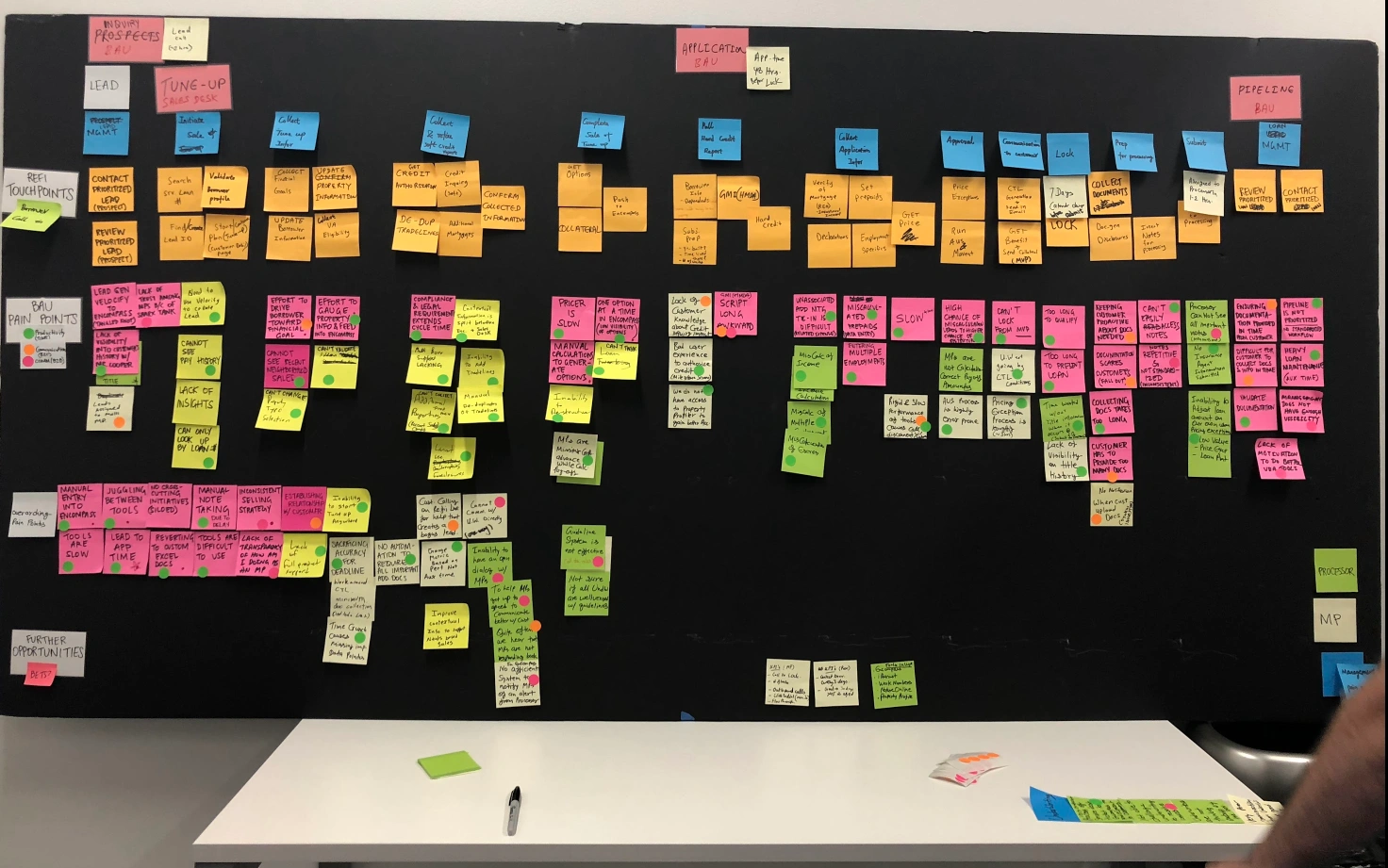
We identified recurring themes, such as fragmented tools, manual hand-offs, and a lack of clear communication. These patterns became the starting point for mapping the existing workflows.
MPs must use multiple disconnected tools and services, as there is no single platform to process applications efficiently, leading to slow processes and manual work.
Tools are slow, causing customers to lose interest, and it takes at least 45 minutes to process an application, even in smooth scenarios.
Poor workflow design limits MPs from building empathy with customers and adds time pressure that makes the experience harder for everyone.
Every application requires a Hard Pull process, including GMI, HMDA, and declarations, adding delays.
Pricing tools allow only one automated loan structure at a time and cannot efficiently handle counteroffers or exceptions, resulting in a poor customer experience.
The document-sharing and e-signing process is slow, further delaying application completion.
Mapping the as-is workflows
Using the insights gathered, we mapped out the existing workflows to capture the current state of operations across the loan lifecycle. This was done collaboratively, with team members visually outlining each step of the journey, from generating leads to closing a loan. Each post-it note on the board represented tasks, hand-offs, or tools involved at a specific stage.
The goal was to produce the most accurate and refined version of the current workflows so that it could serve as a starting point in stakeholder workshops. By validating these workflows ahead of time, we ensured that stakeholder time was used effectively to review and confirm the details rather than recreate the work.
For instance, delays caused by repeated pricing approvals and manual document submissions became clear during this exercise. These bottlenecks helped us prioritize areas requiring the most immediate attention.
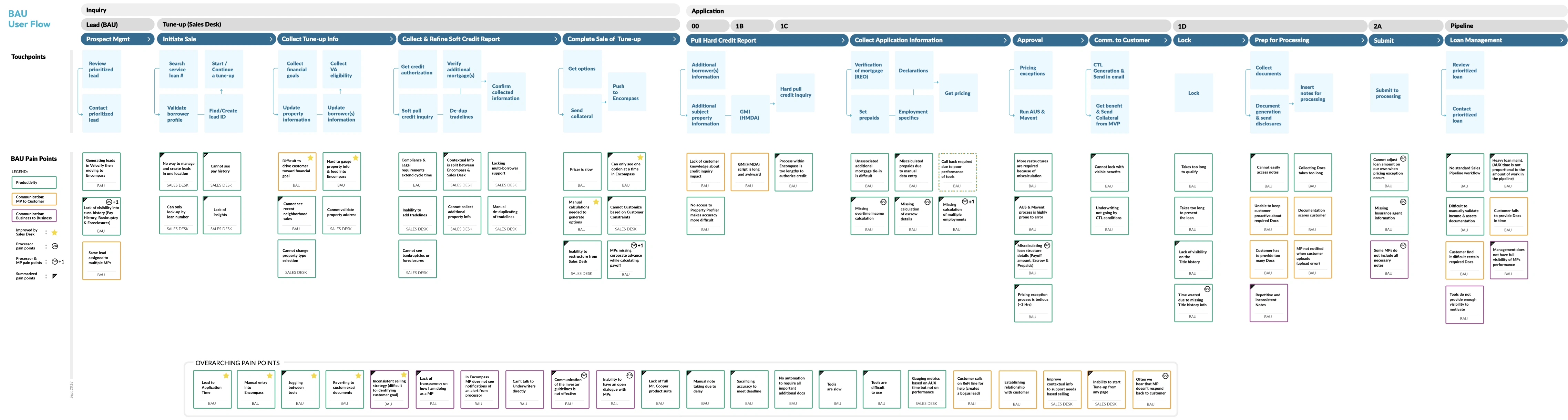
The finalized version of the workflows captured inefficiencies, delays, and key dependencies, which were then taken forward for next steps.
Stakeholder alignment workshops
Stakeholder workshops were a critical part of the discovery phase, bringing together participants from operations, business, technology, and product teams. These multi-day sessions focused on validating the existing workflows, aligning on pain points, and identifying opportunities for improvement.
The sessions began with stakeholders validating the as-is workflows. They confirmed whether the steps accurately reflected current processes and identified any gaps. Real-time adjustments were made to ensure all perspectives were captured.
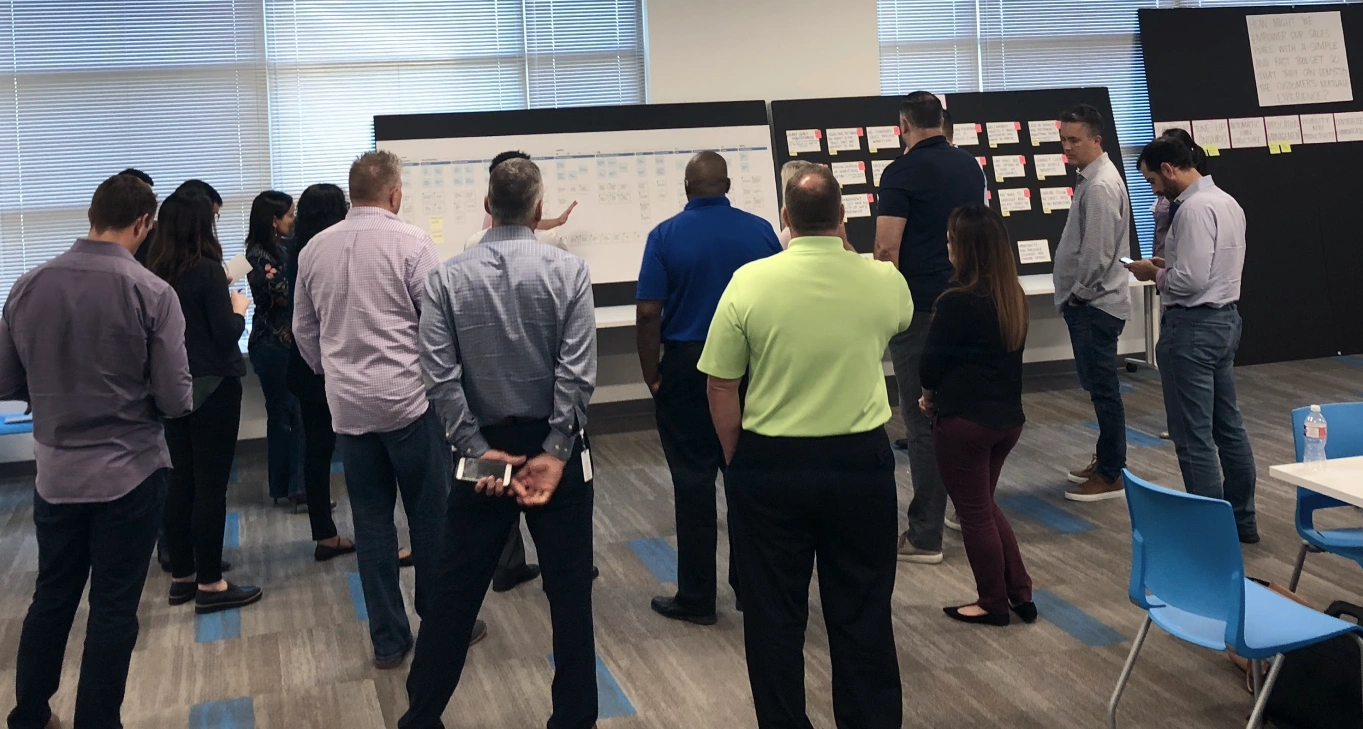
After aligning on the workflows, stakeholders engaged in further brainstorming exercises to identify critical pain points, mark KPIs, and explore opportunities for improvement. Each department weighed in on their priorities based on immediate needs through a structured voting exercise. The identified pain points were then categorized into high, medium, and low impact based on their votes. This prioritization set the stage for the next steps by associating opportunities to address these pain points and generating ideas to solve them. This collaborative effort ensured a clear, targeted focus on the most pressing challenges across operations, business, and technology.
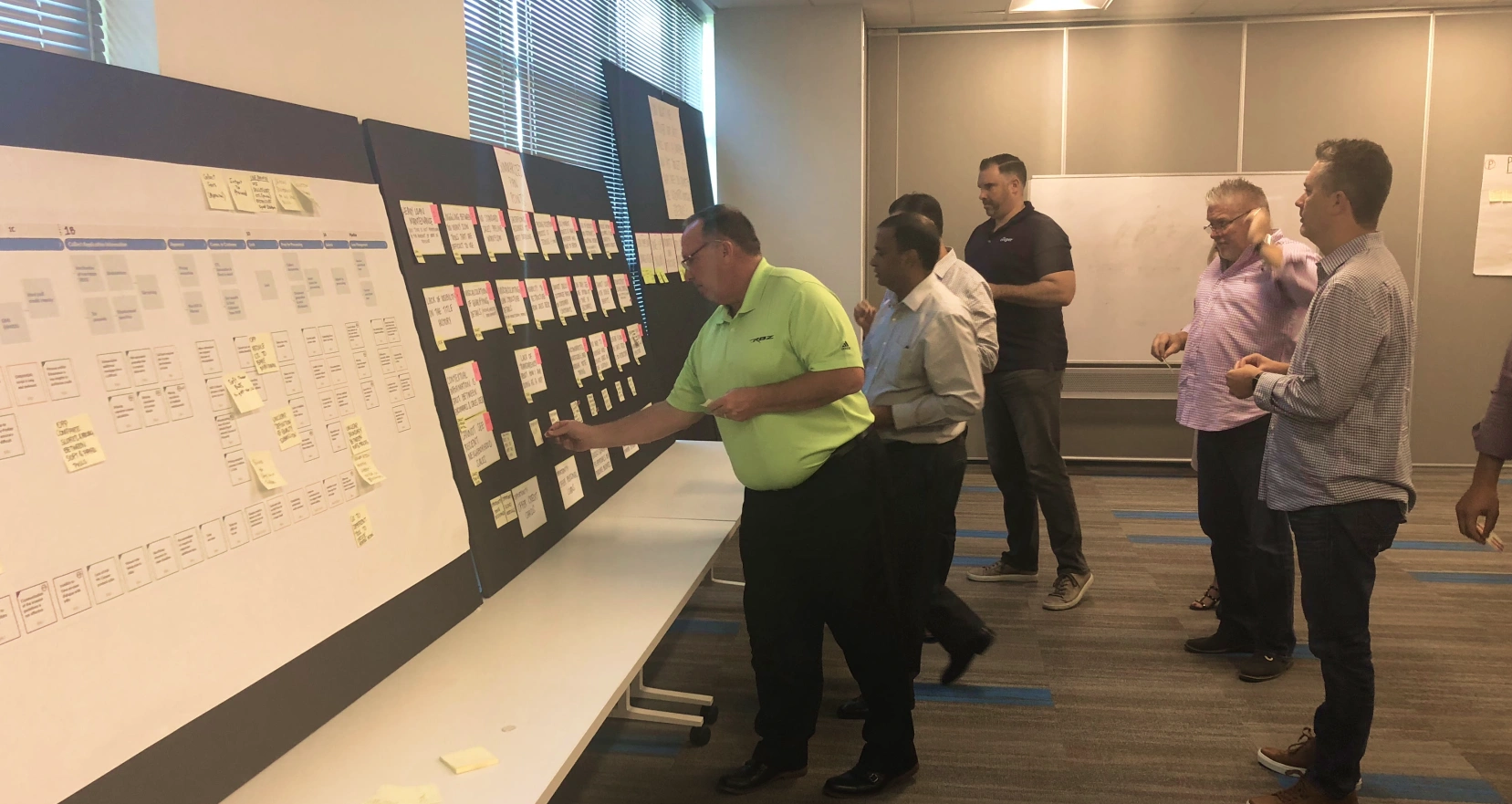
As stakeholders prioritized pain points, opportunities were identified in real time through collaborative discussions. This seamless process created a clear path into ideation sessions, focusing on actionable solutions aligned with team priorities.
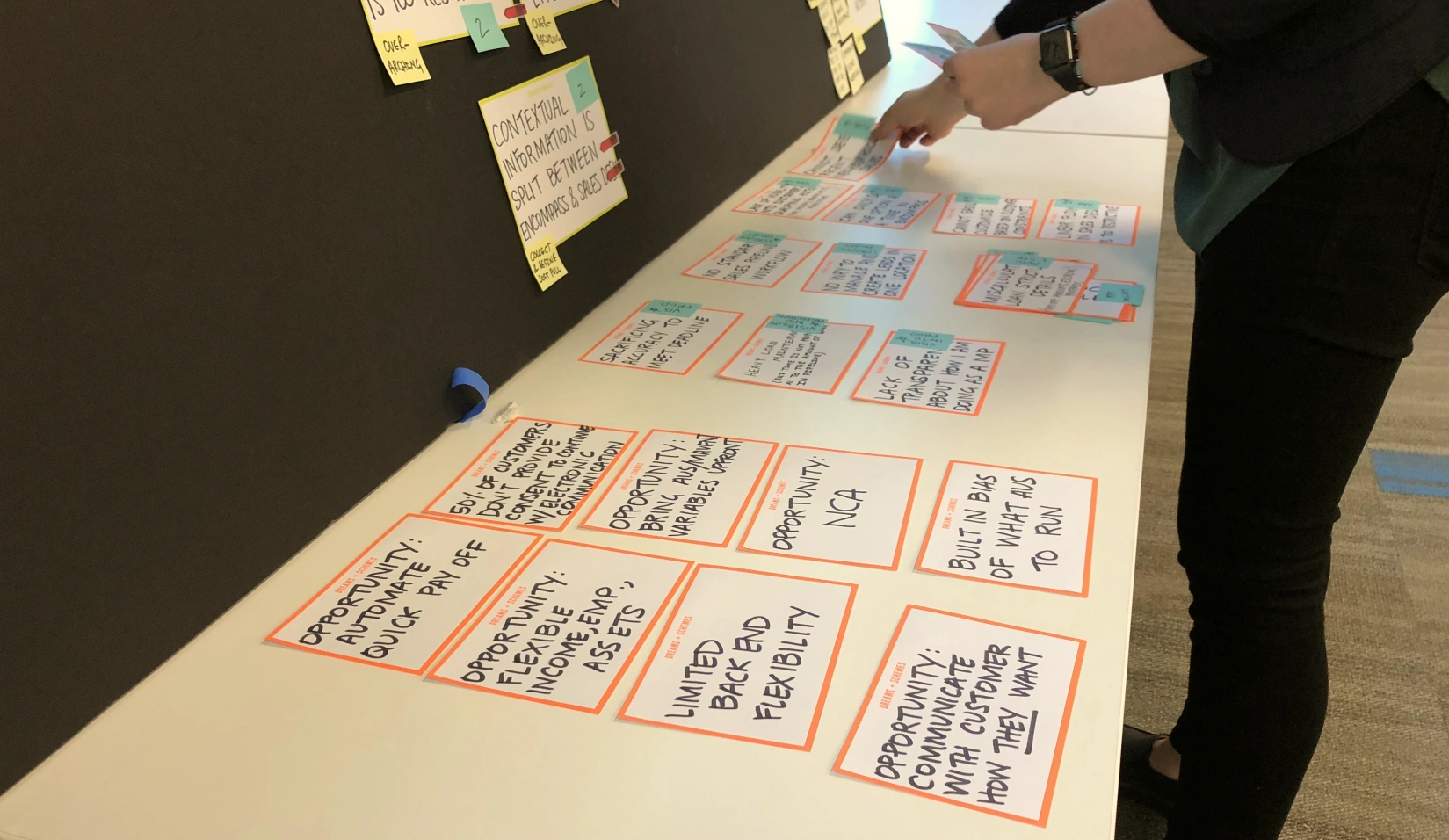
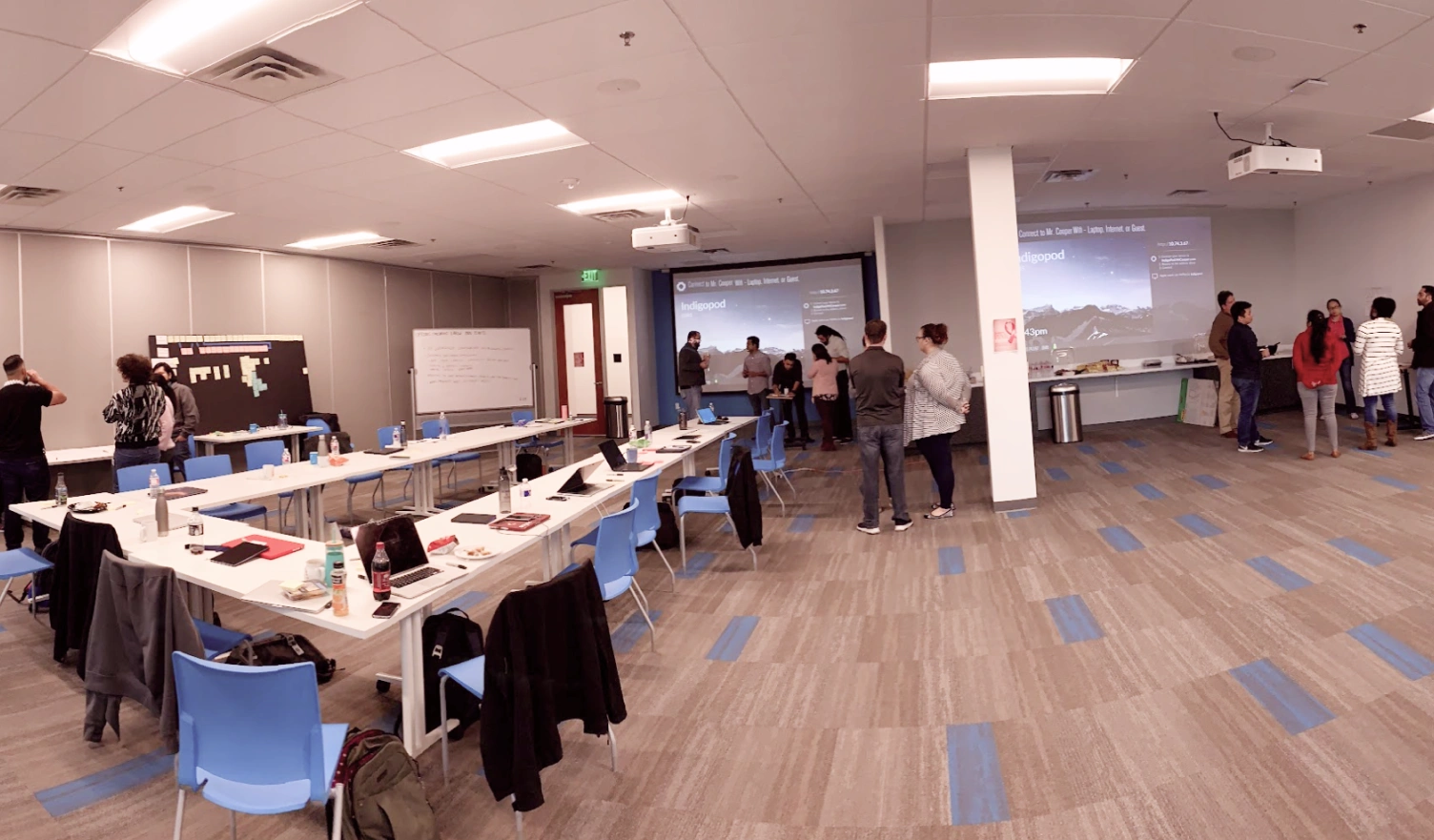
Next, stakeholders participated in structured ideation exercises to brainstorm solutions for the prioritized pain points and associated opportunities identified earlier. All team members and stakeholders actively contributed while keeping the earlier prioritization in mind. Diverse teams with cross-functional expertise were grouped to encourage different perspectives and skills. During the sessions, the focus was on fostering collaboration, sharing ideas, and building on each other’s thoughts.
I, along with the BA and Tech Lead, facilitated the sessions by observing, guiding discussions, and helping teams stay focused and avoid getting stuck. Teams worked collectively to ideate, present, and refine solutions while brainstorming and finding common themes and patterns. These exercises helped visualize potential UX opportunities and align on areas with the most significant impact.
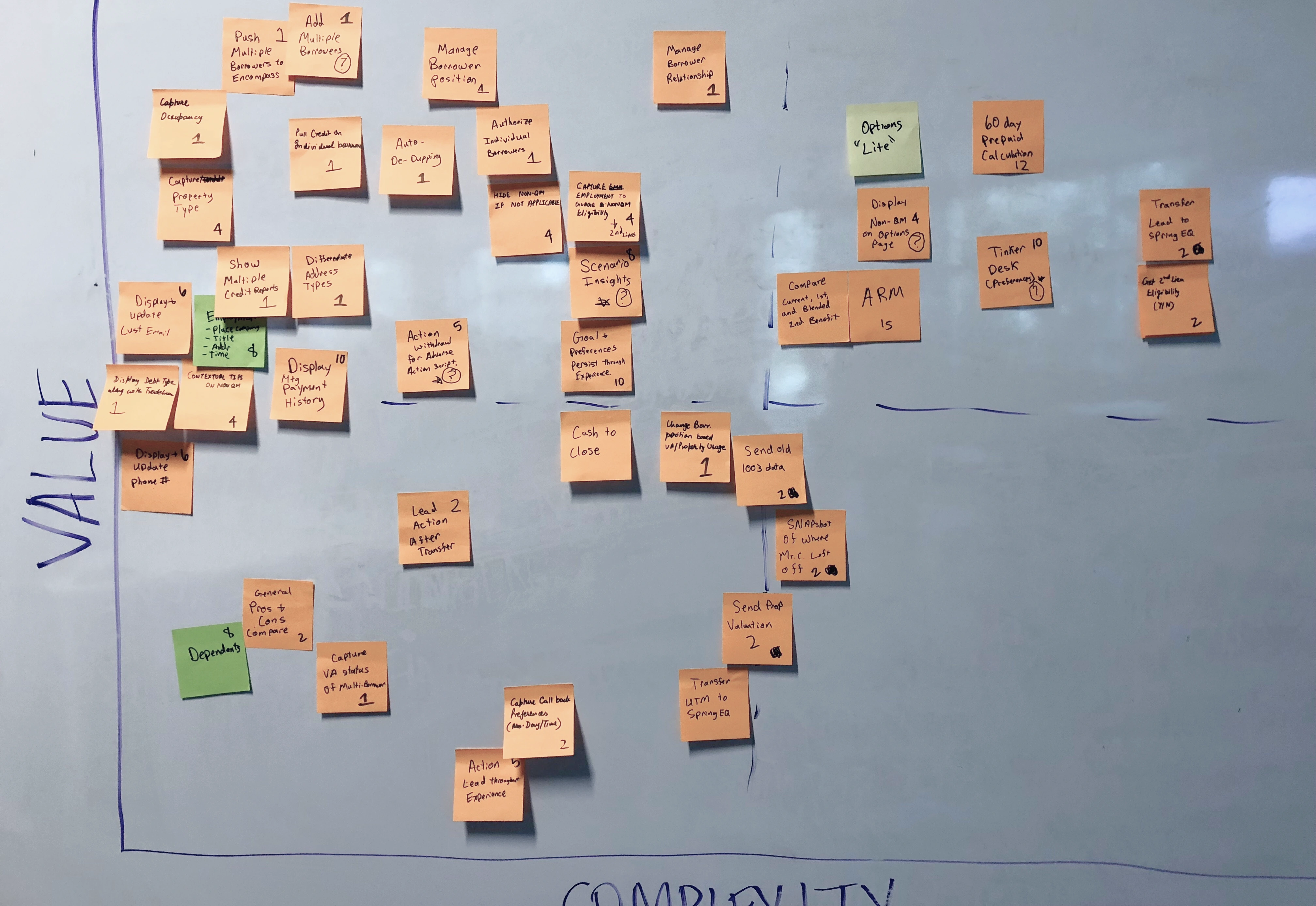
To prioritize these solutions, we used a value and complexity matrix. This exercise allowed us to identify high-value, low-complexity initiatives that could deliver immediate impact while planning for larger improvements over time.
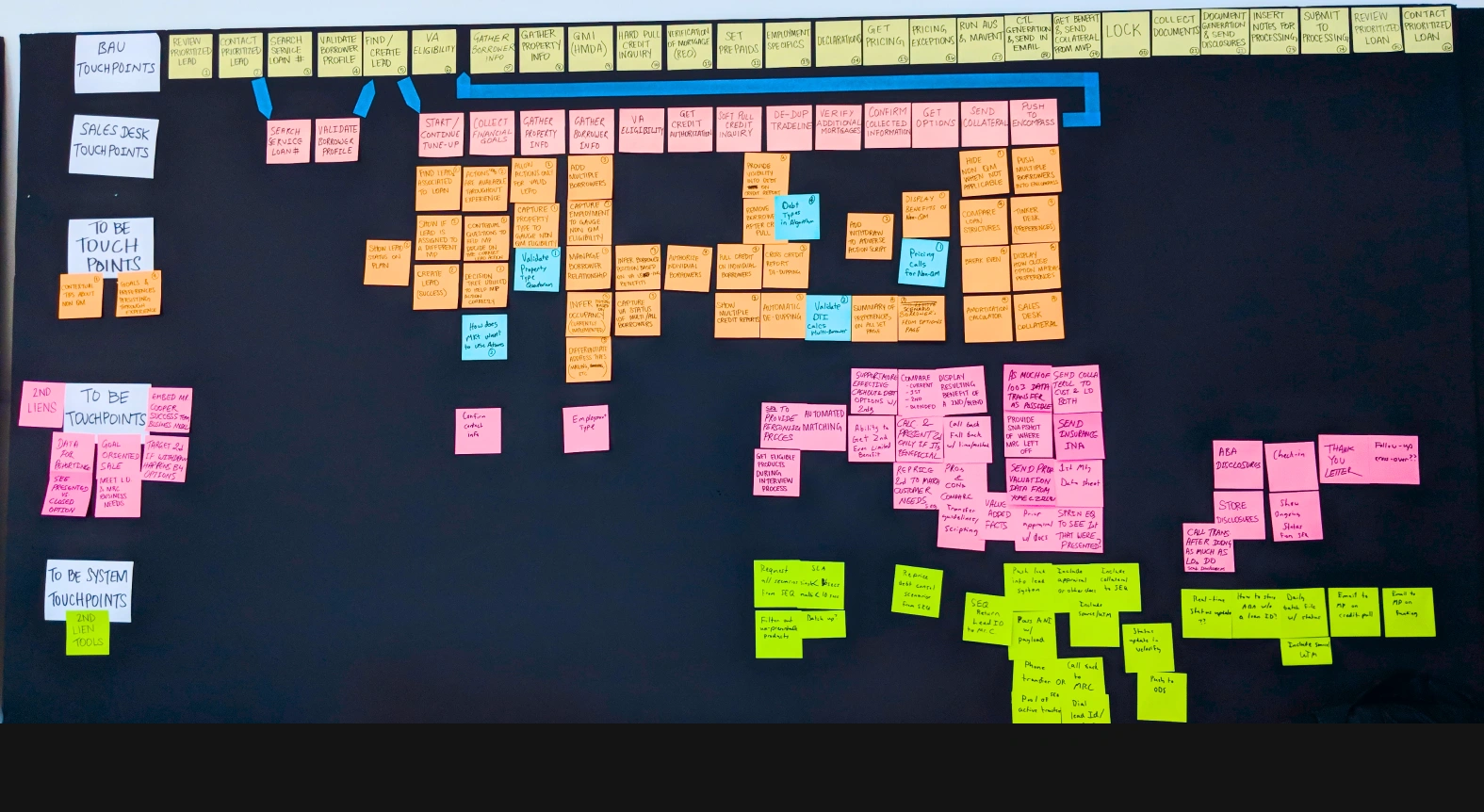
Finally, a significant outcome of the workshops was the creation of the to-be workflows. These workflows outlined the desired future state of the mortgage lifecycle, incorporating refined ideas generated during the ideation sessions. While the team facilitated the ideation process, a preliminary version of the to-be workflows was progressively carved out in parallel as the sessions advanced, with emerging details helping to shape its structure. In this final session, finalized ideas were brought back to key stakeholders for further brainstorming and fine-tuning, ensuring alignment and validation. Features such as automated document tracking, integrated pricing approvals, and real-time borrower updates were identified to streamline operations and improve the overall user experience.
Discovery outcomes
To conclude, the discovery phase delivered a clear foundation for the next steps. Stakeholders prioritized pain points, mapped KPIs, and finalized the to-be workflows, outlining the future state of the mortgage lifecycle. A product roadmap was also established, sequencing high-value opportunities for targeted implementation.
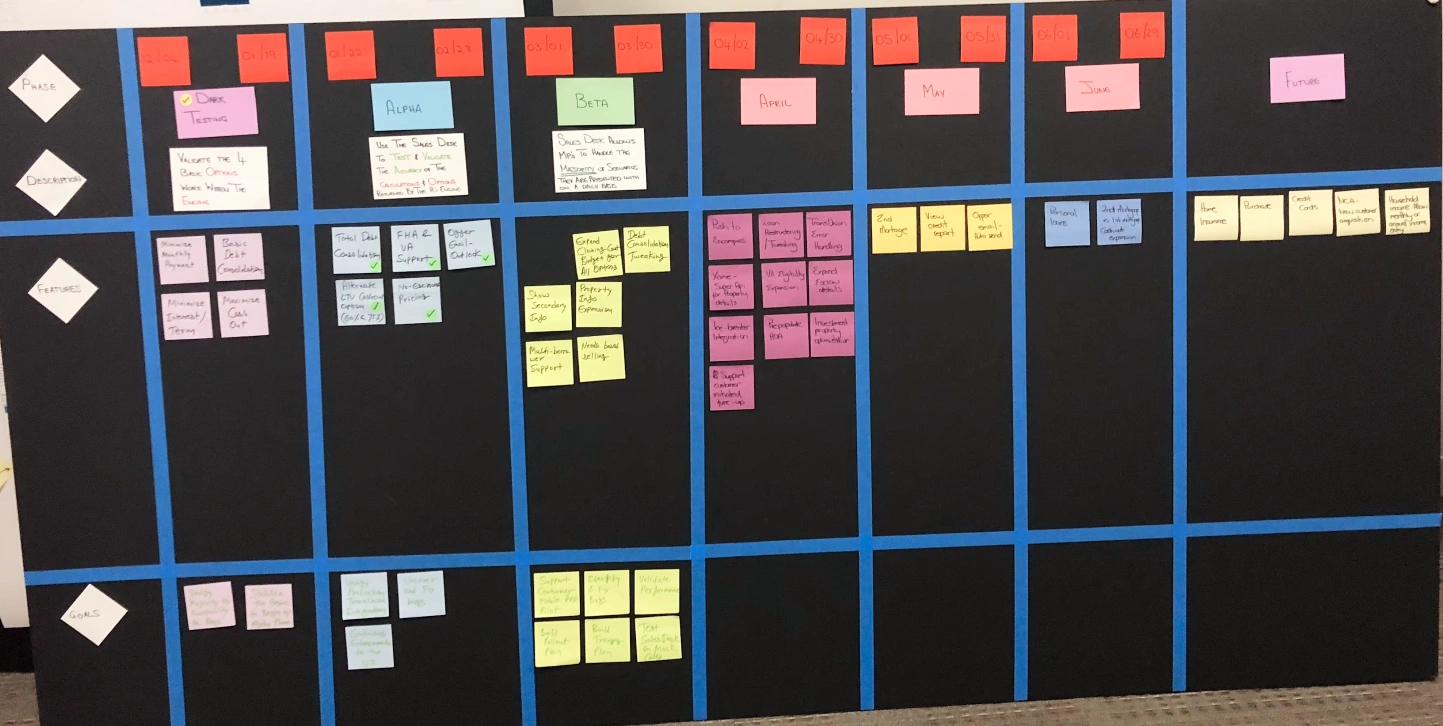
This laid the groundwork for the Home Intelligence platform, structured to deliver solutions for both internal tools and external customer-facing challenges.
Inception
The inception phase laid the groundwork for Phase 1 development, which focused on building the foundational H.i. Engine platform and the complete Sales Desk solution. This multi-day collaborative exercise brought together cross-functional teams to align on priorities, define a shared understanding, and set the stage for execution. With Agile and Lean Design principles guiding the process, inception ensured clarity, structure, and momentum as the initiative moved into development.
Reviewing insights and shared understanding
The team began by reviewing critical insights from the discovery phase. This included validated as-is workflows, envisioned to-be workflows, prioritized challenges, and design concepts refined during earlier workshops. These insights provided a shared understanding of user pain points, opportunities, and a clear direction for what needed to be built.
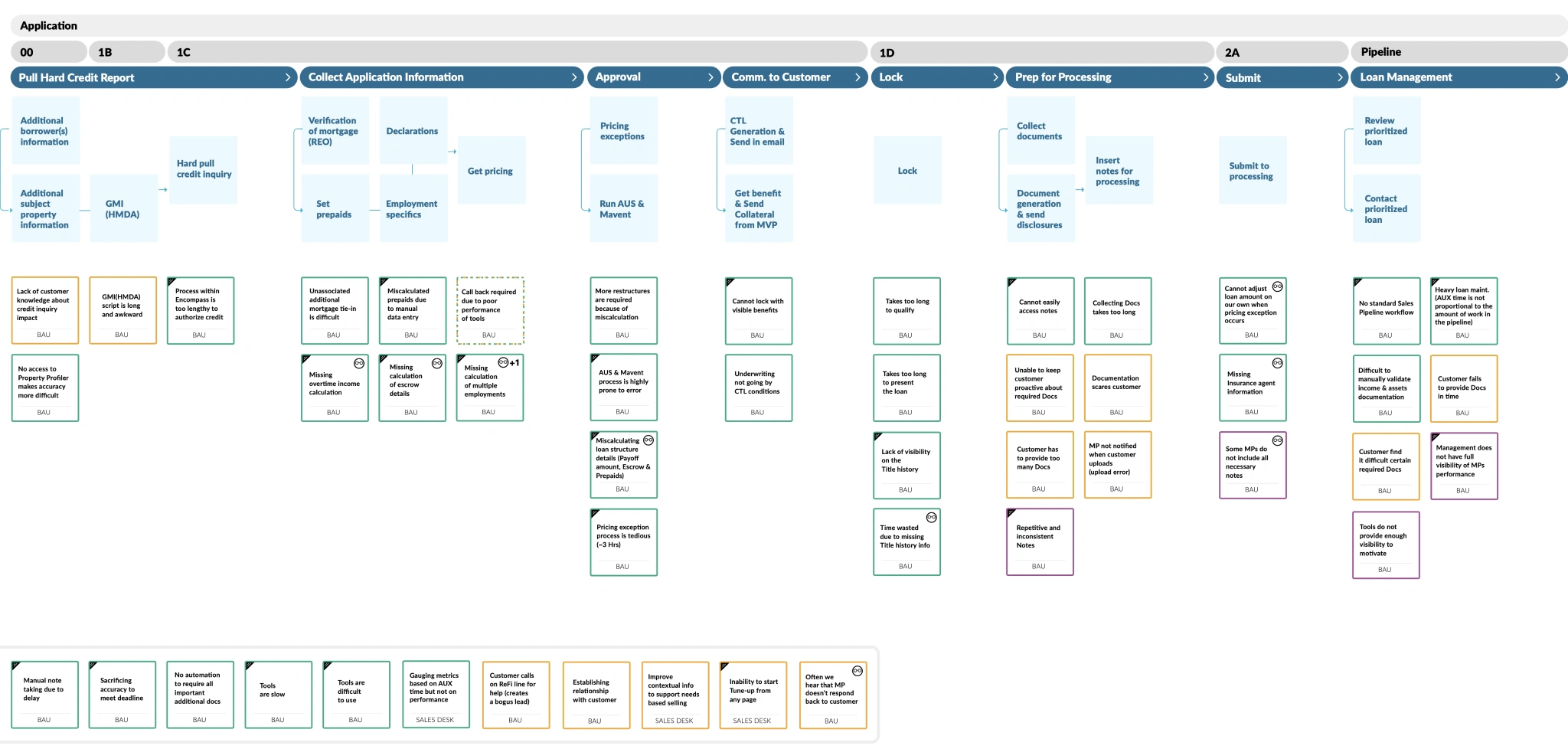
Evolving design strategy and prototypes
Before inception, early ideation outputs from stakeholder workshops were refined into low-fidelity clickable prototypes. These prototypes offered tangible representations of proposed workflows and user interactions, enabling the team to visualize the solution at a conceptual level.

The prototypes provided a solid foundation for defining features and epics, facilitating faster collaboration and decision-making. This step helped ensure:
- A clear reference for discussions: Teams could anchor their ideation and feature definition around tangible representations.
- Alignment on design intent and user flows: Prototypes reflected the agreed-upon goals and user journeys.
- Early identification of potential gaps and refinements: Feedback loops began well before development started.
Defining epics
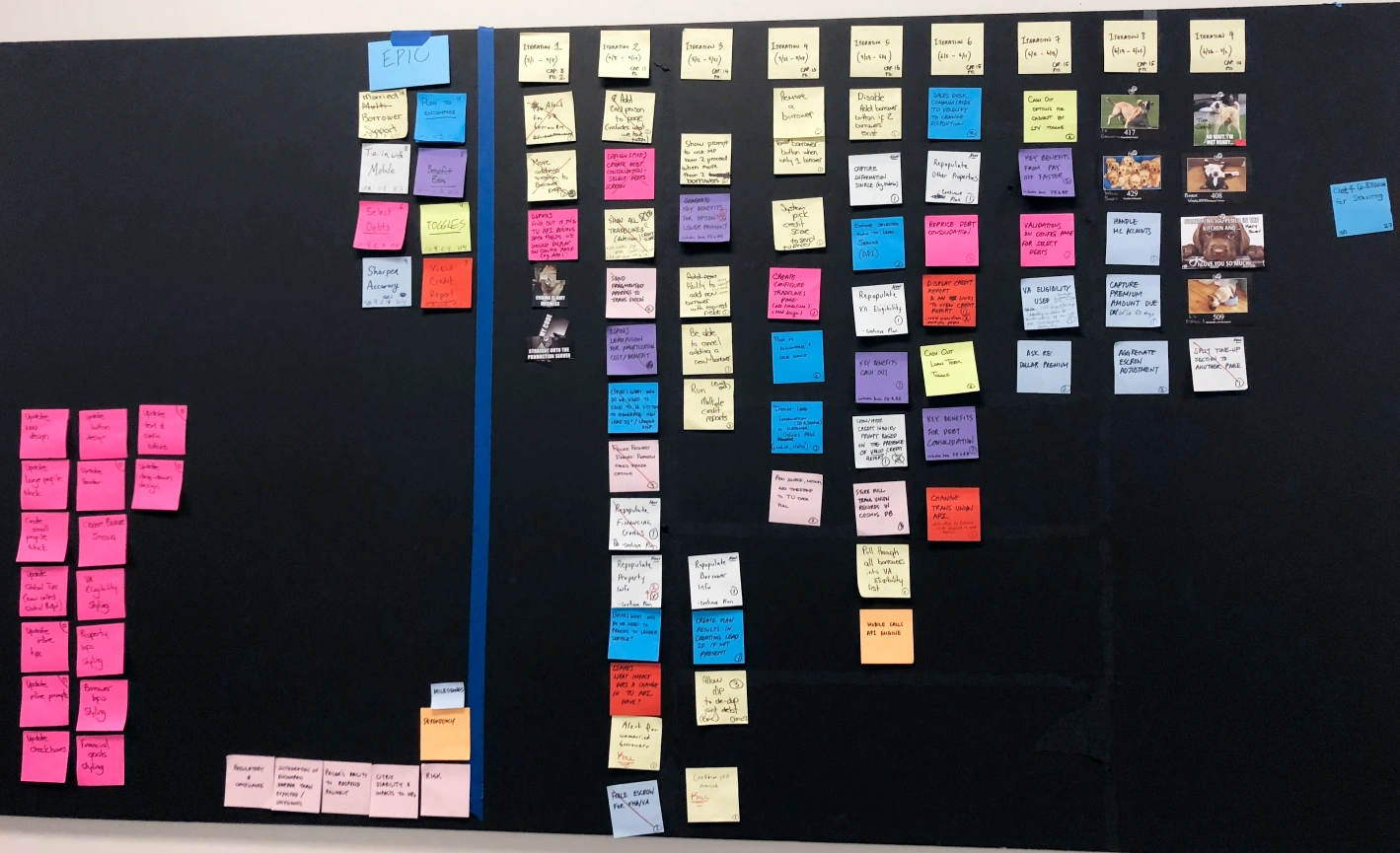
The team utilized collaborative feature ideation sessions to define key epics and functional features, aligning solutions with prioritized pain points and business goals. By breaking workflows into actionable components, the team ensured alignment across user needs, technical feasibility, and project milestones. This iterative process resulted in a clear roadmap, organizing features into sprints while maintaining focus on high-impact outcomes.
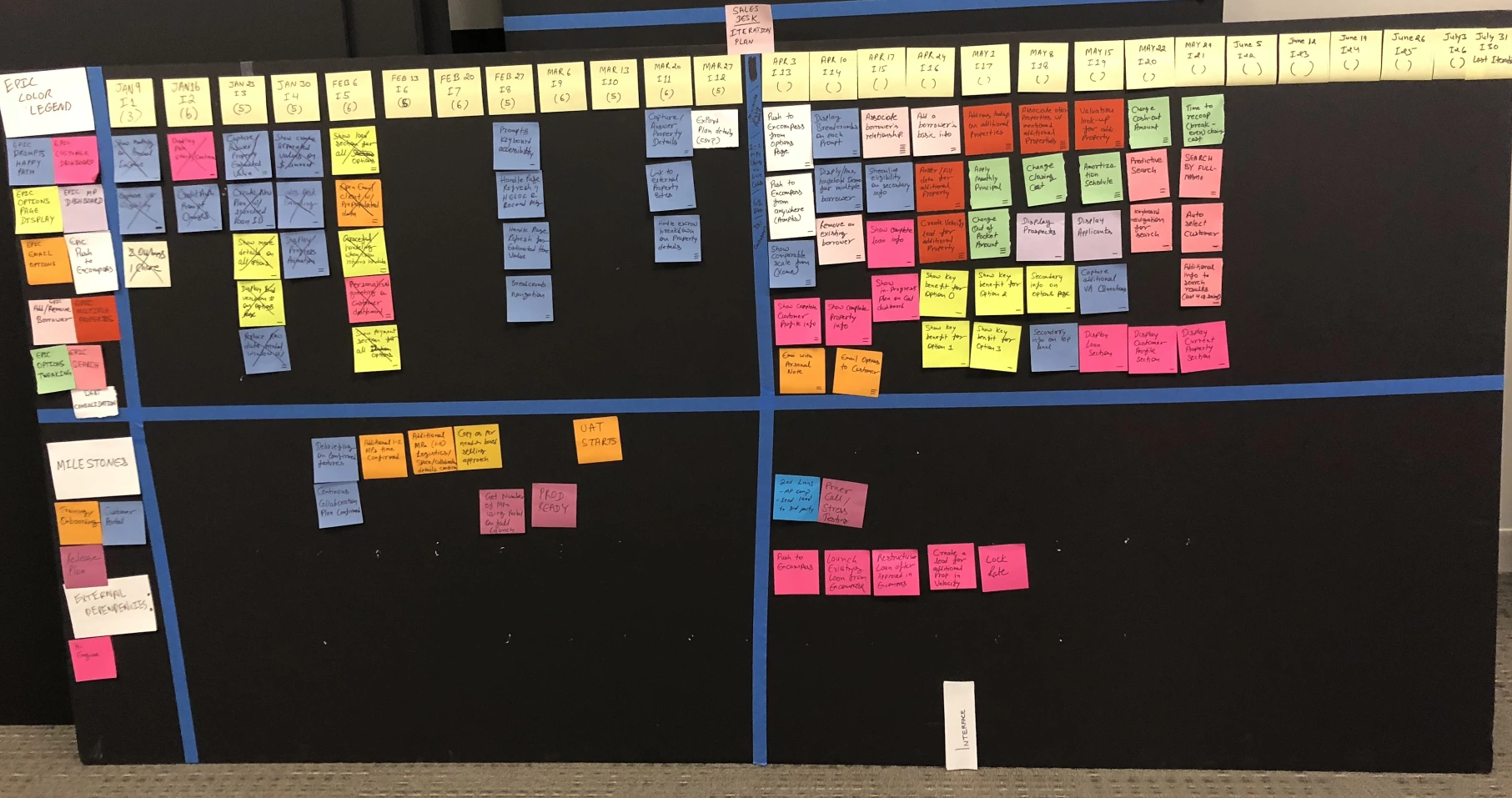
Crafting user stories
With epics and prototypes defined, the team collaboratively developed user stories to translate high-level features into actionable work. These stories were built on the foundation of user journeys, validated prototypes, prioritized pain points, and mapped KPIs. This process ensured clarity on what was needed to enhance the user experience. Specifically, the UX focus areas were outlined, including further research, design iterations, and validation to refine solutions and address remaining gaps effectively.
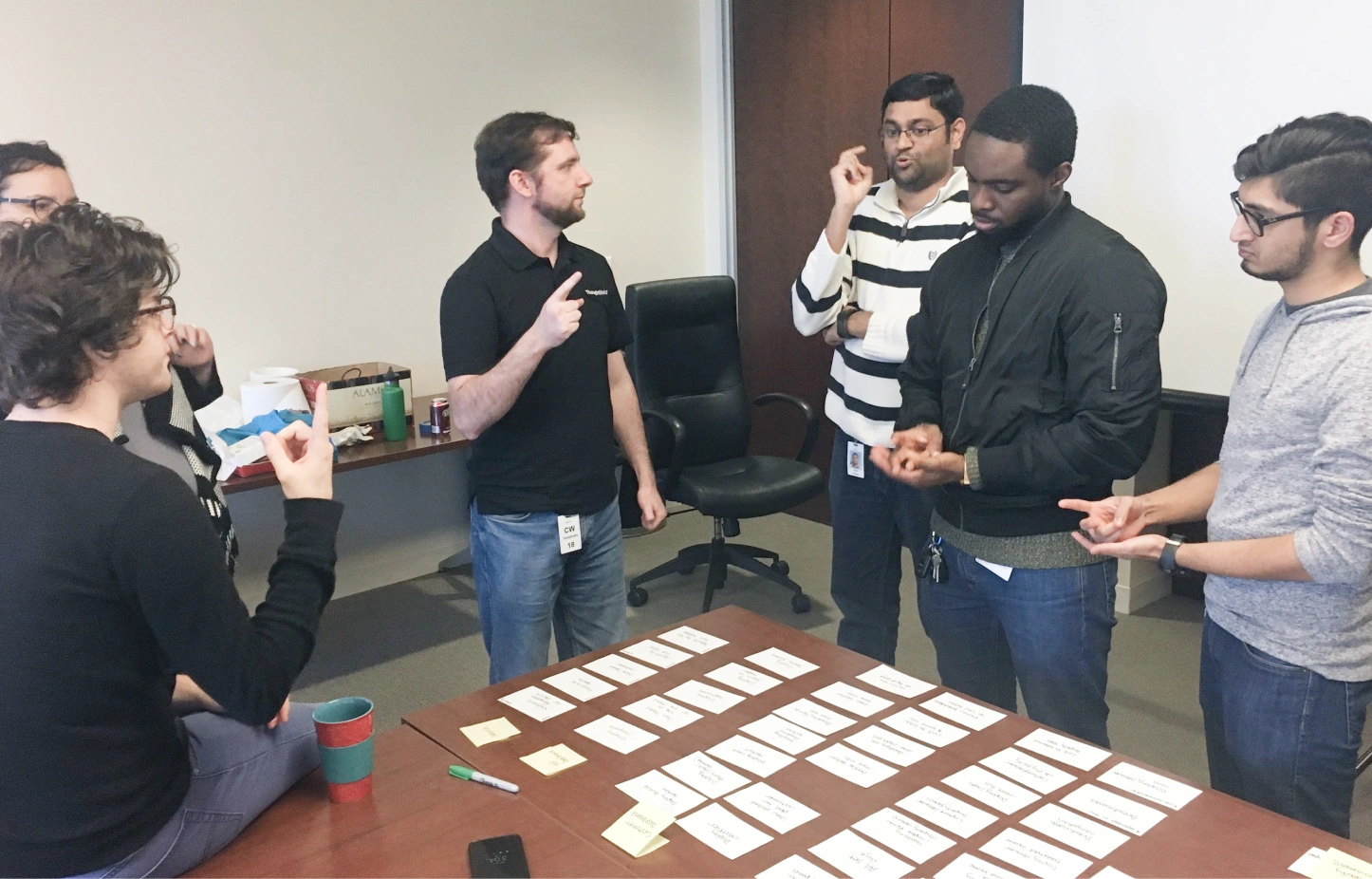
Identifying assumptions and research needs
During these discussions, the team uncovered gaps and assumptions that required validation through ongoing user research and testing. These findings were critical in planning iterative feedback loops during development.
Examples of identified research needs included:
- Validating borrower workflows for document submission and communication.
- Testing MP dashboard designs to optimize task efficiency.
These inputs informed a roadmap for continuous user research, including usability testing and interviews to ensure a user-centered development process.
Aligning priorities and design goals
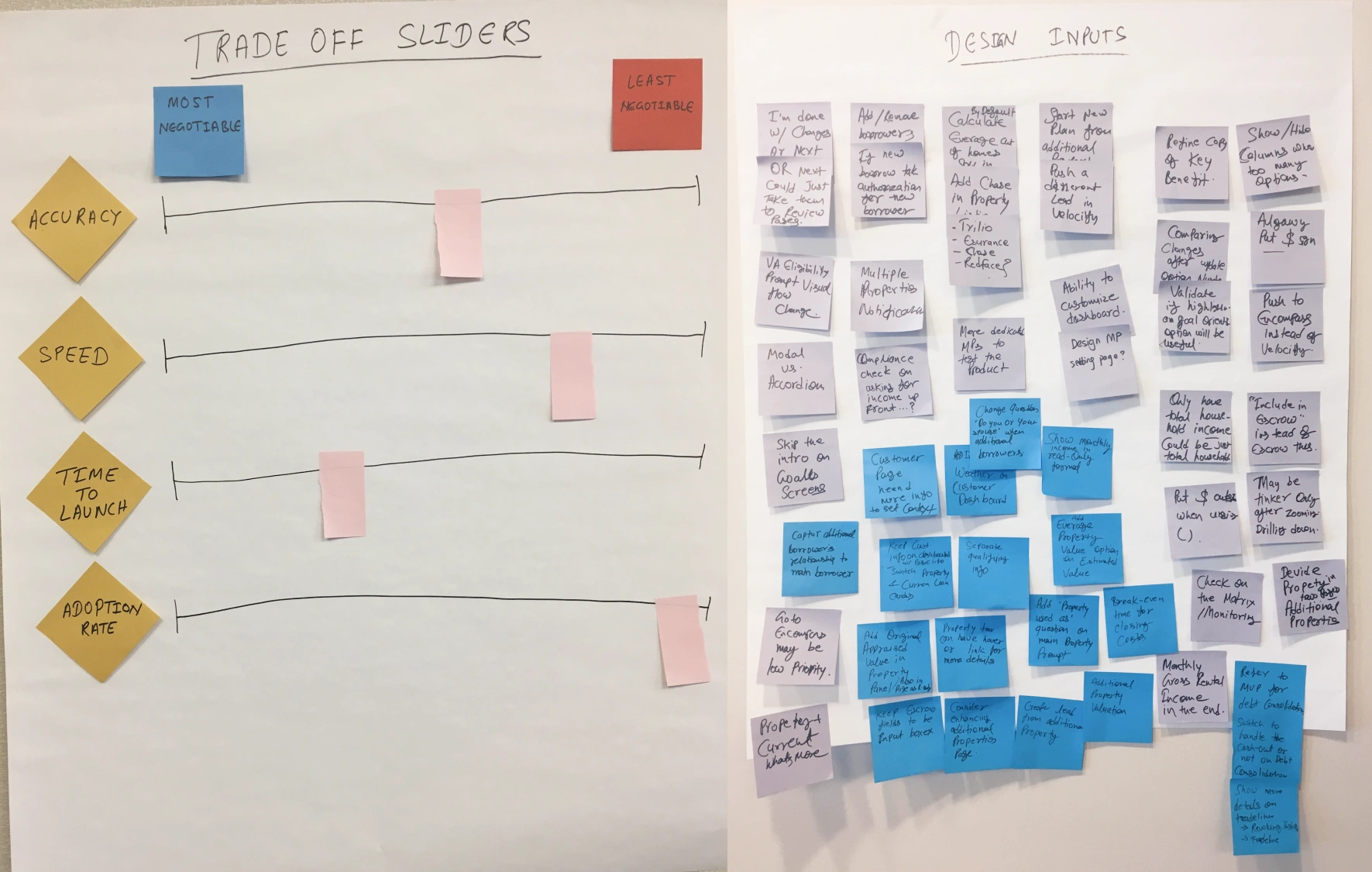
To streamline decision-making, the team conducted trade-off slider exercises to align on critical priorities. Discussions centered on balancing speed, accuracy, time to launch, and adoption rates, ensuring a focus on delivering core functionality while allowing room for iteration. In parallel, design goals were collaboratively captured across team members to establish early alignment on user needs and technical feasibility. This exercise provided clarity on high-impact outcomes and set the foundation for a unified approach to design and development.
Mapping project accelerators and blockers
The team identified key elements that could influence the project’s trajectory. Engines, such as a clear shared vision, validated epics, and refined prototypes, accelerated progress. Anchors, including technical dependencies, research gaps, and potential risks, were mapped to proactively address challenges and ensure smooth delivery.
Aligning on the elevator pitch
To ensure alignment and shared understanding across all participants, the team collaboratively defined the elevator pitch:
“The Home Intelligence platform transforms complex loan servicing workflows into a seamless, data-driven experience. By streamlining operations and empowering teams, it delivers efficiency, simplicity, and better outcomes for every customer.”
This succinct and memorable statement captured the initiative’s core value and provided a guiding anchor throughout the development process.
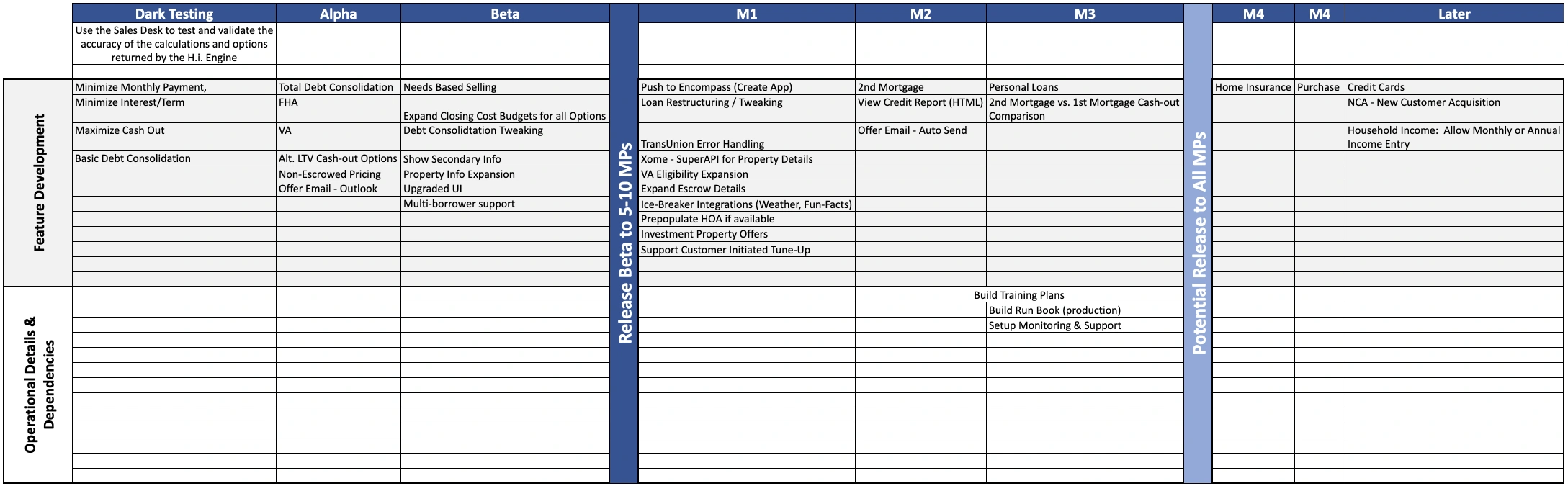
Finalizing the roadmap
The inception concluded with a clear and prioritized roadmap for Phase 1 development, outlining:
- Immediate priorities: Building the H.i. Engine platform and the complete Sales Desk solution.
- Future opportunities: Scalability enhancements and customer-facing integrations planned for subsequent phases.
The roadmap balanced quick wins with long-term goals, providing structure while remaining adaptable for iterative improvements.
Inception outcomes
The inception phase set the stage for development by delivering:
- Refined low-fidelity prototypes showcasing proposed workflows and interactions.
- High-level epics mapped to user journey flows and business priorities.
- A prioritized roadmap focused on Phase 1 delivery of the H.i. Engine and Sales Desk.
- Clear identification of gaps and research needs for continuous design iteration.
- A shared vision, defined through collaborative agile exercises.
The team was now ready to begin development, with Agile and Lean Design principles guiding the process to ensure iterative, user-centered delivery.
Development
The development phase began with a clearly defined path, established through inception, to deliver Release 1, the foundational H.i. Engine and the complete Sales Desk solution. Guided by Agile and Lean principles, this phase focused on iterative sprints, continuous user testing, and parallel design-development workflows.
Sprint planning and priorities
At the outset, epics and prioritized user stories from inception were sequenced into manageable sprints. This allowed the team to deliver foundational features first while ensuring incremental progress aligned with user needs.
For example, the team prioritized automating loan pre-qualification workflows in early sprints. This addressed one of the most common pain points identified during discovery: MPs manually inputting borrower data across multiple disconnected systems. The new flow integrated these steps into a single-page experience, reducing task time significantly.
Parallel design and development cycles
The design and development teams operated in synchronized sprints to ensure seamless integration of features. As Lead UX, I orchestrated the alignment between our design system and front-end architecture through three key initiatives: establishing standardized naming conventions, implementing atomic design principles, and introducing BEM methodology across the development workflow.
// 1. Core Design Foundation

// Token Types
type DesignToken = {
  value: string;
  attributes?: {
    product?: string[];
    deprecated?: boolean;
    category?: string;
  };
};

// Design Tokens (from the color palette shown)
const designTokens = {
  color: {
    brand: {
      primary: { value: '#00B4D2' },
      secondary: { value: '#1B6C92' },
      tertiary: { value: '#004261' }
    },
    semantic: {
      success: { value: '#00AB84' },
      warning: { value: '#E67300' },
      error: { value: '#E10C32' }
    },
    neutral: {
      gray: {
        900: { value: '#333940' },
        100: { value: '#F5F5F5' }
      }
    }
  },
  typography: {
    family: {
      primary: { value: 'Lato, Arial, sans-serif' },
      secondary: { value: 'Sentinel, Georgia, serif' }
    }
  }
};

// 2. Component Architecture

// Base Component Interface
interface BaseComponentProps {
  product?: 'mortgage' | 'lending' | 'banking';
  theme?: ThemeVariant;
  className?: string;
}

// Component Registry (for dynamic loading and product-specific overrides)
const ComponentRegistry = {
  register: (
    componentName: string,
    component: React.ComponentType,
    config: {
      products: string[];
      variants: string[];
    }
  ) => {
    // Registration logic
  }
};

// 3. Product-Specific Implementations

// Product Configuration
interface ProductConfig {
  id: string;
  theme: ThemeVariant;
  components: {
    [key: string]: {
      variants: string[];
      overrides?: Record<string, unknown>;
    };
  };
}

// 4. Shared Components with Product Variants
const Button = styled.button<ButtonProps>`
  ${({ product, variant, theme }) => css`
    // Base styles
    ${getBaseStyles(theme)}

    // Product-specific variations
    ${getProductStyles(product)}

    // Variant styles
    ${getVariantStyles(variant)}
  `}
`;

// 5. Form System (based on the form elements shown)
const FormSystem = {
  // Field Registry for product-specific validations
  fields: {
    register: (fieldType: string, config: FieldConfig) => {
      // Registration logic
    }
  },

  // Validation Rules Engine
  validation: {
    rules: new Map<string, ValidationRule>(),
    register: (ruleName: string, rule: ValidationRule) => {
      // Rule registration logic
    }
  }
};

// 6. Layout System
const LayoutSystem = {
  Grid: styled.div<GridProps>`
    display: grid;
    ${({ template }) => getGridTemplate(template)}
  `,

  Container: styled.div<ContainerProps>`
    ${({ fluid, product }) => getContainerStyles({ fluid, product })}
  `
};

// 7. Product Router and Component Loader
const ProductComponentLoader: React.FC<LoaderProps> = ({
  product,
  componentName,
  props
}) => {
  const Component = useProductComponent(product, componentName);

  return Component ? <Component {...props} /> : null;
};

// 8. Theme Provider with Product Context
const ProductThemeProvider: React.FC<ProviderProps> = ({
  product,
  children
}) => {
  const theme = useProductTheme(product);

  return (
    <ThemeProvider theme={theme}>
      <ProductContext.Provider value={{ product }}>
        {children}
      </ProductContext.Provider>
    </ThemeProvider>
  );
};

// 9. Usage Example
const MortgageDashboard = () => {
  return (
    <ProductThemeProvider product="mortgage">
      <LayoutSystem.Container>
        <LoanOptionCard
          type="CASH-OUT"
          amount={246.84}
          rate={4.375}
          term={30}
          variant="primary"
        />
      </LayoutSystem.Container>
    </ProductThemeProvider>
  );
};
For example, reusable components, such as buttons, input fields, and cards, were designed to mirror the front-end structure, making handoffs seamless and reducing rework. Every story kickoff and handoff reflected this shared design-development understanding, ensuring that the team spoke a common language. This alignment minimized discrepancies between design prototypes and developed features.

Continuous research and testing
Continuous research and user testing was integral to the development phase, ensuring every feature was validated and improved based on real feedback. This was achieved through diverse testing methods:
1. Contextual research and workflow analysis
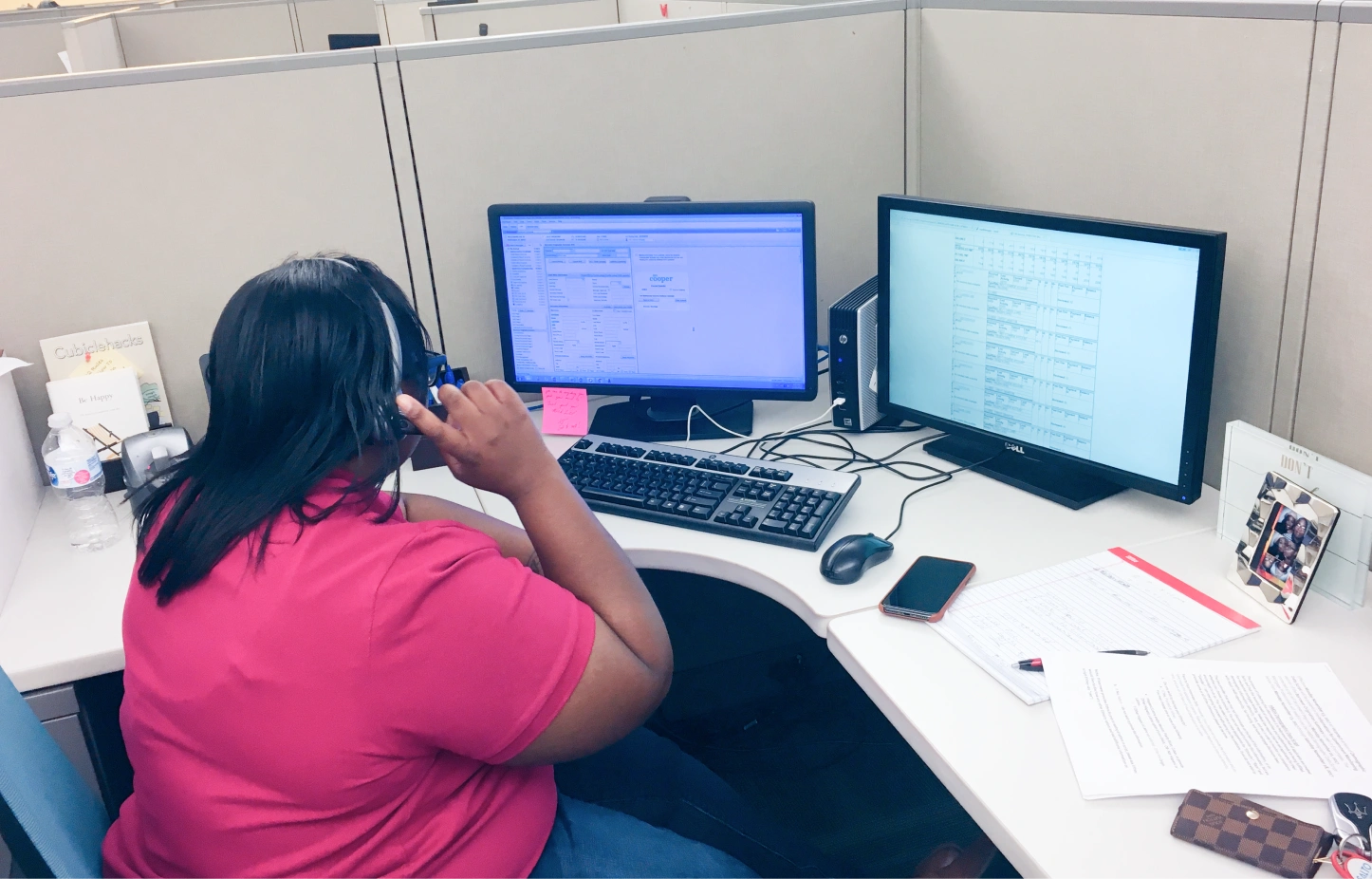
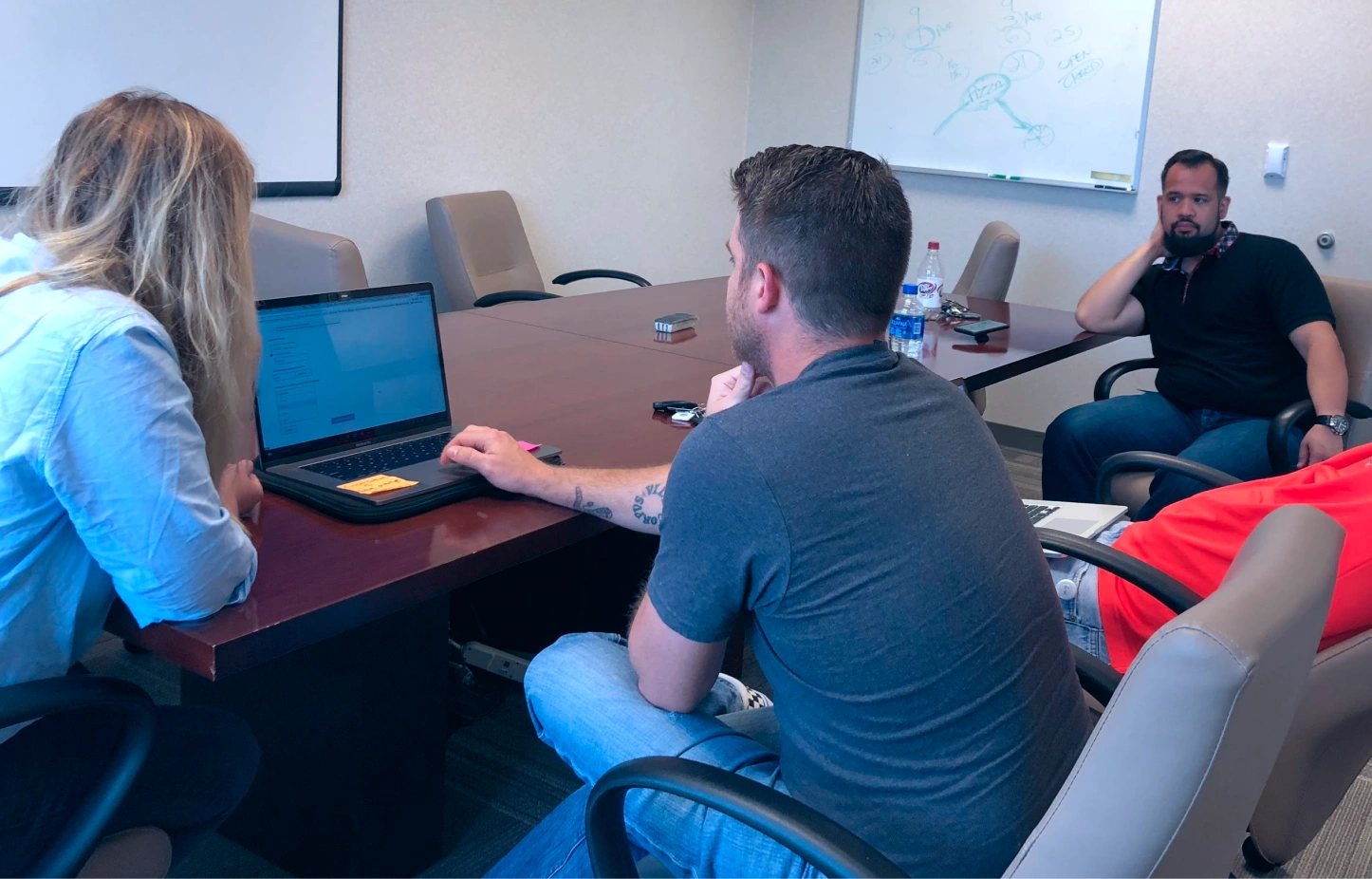
We conducted on-site interviews with MPs, observing their workflows to uncover real-time pain points. Our analysis reaffirmed assumptions made during the discovery and inception phase about fragmented workflows caused by constant context switching, while revealing in-depth insights. Each customer interaction required toggling between systems, leading to interrupted processes and data loss. These findings drove key architectural decisions - particularly around state management and auto-save functionality - which measurably improved application completion rates.
2. Iterative testing and development synthesis
Prototype testing became a two-way bridge between users and development. In facilitated sessions, MPs interacted with clickable prototypes while the team observed and documented pain points. These sessions revealed critical usability gaps, from document checklist complexity to loan plan navigation. The feedback was synthesized into actionable stories and prioritized with the development team. This iterative cycle continued throughout development, with insights from each testing round informing the next sprint's user stories, ensuring both user needs and technical feasibility were aligned.
3. Collaborative testing templates
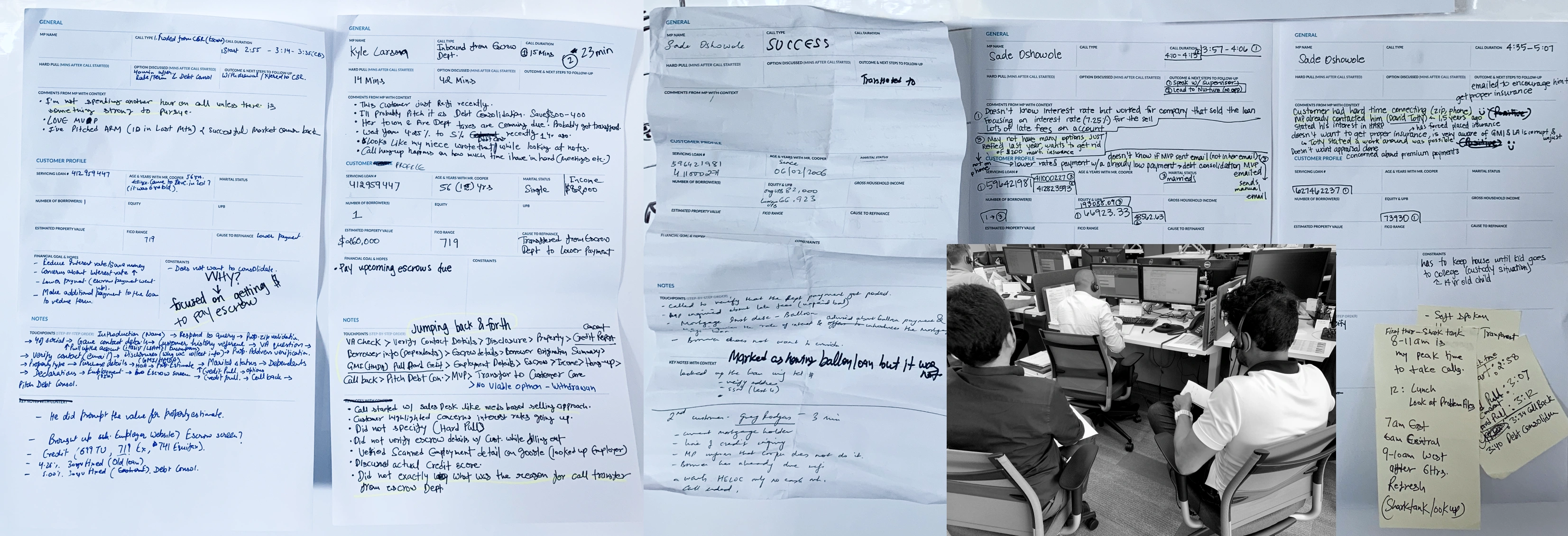
To scale testing efforts, structured templates were introduced to allow non-UX team members, including BAs and developers, to participate actively. These templates enabled them to conduct user interviews, document findings, and contribute valuable perspectives.
For instance, during testing of the Search functionality, the team used structured templates to capture feedback on relevance and speed of results. This collective input helped refine the search logic to deliver results in under two seconds.
4. Insight-driven design iterations
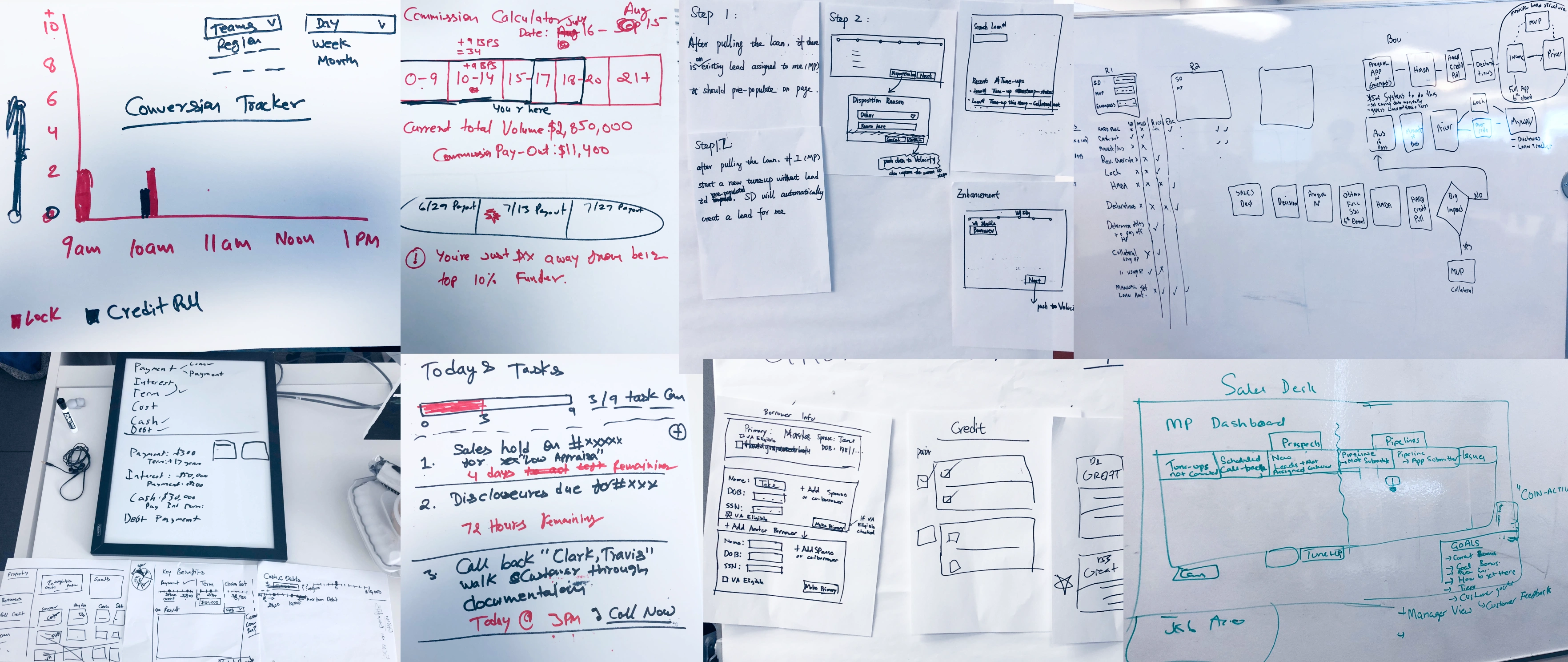
User testing feedback directly shaped our iterative refinements. While developers built features, we continuously gathered usability insights that informed rapid sketches and wireframes. These quick iterations allowed us to validate solutions with users before finalizing high-fidelity implementations. This testing-to-prototype cycle ensured each feature evolved based on real user needs rather than assumptions.
Agile UX delivery
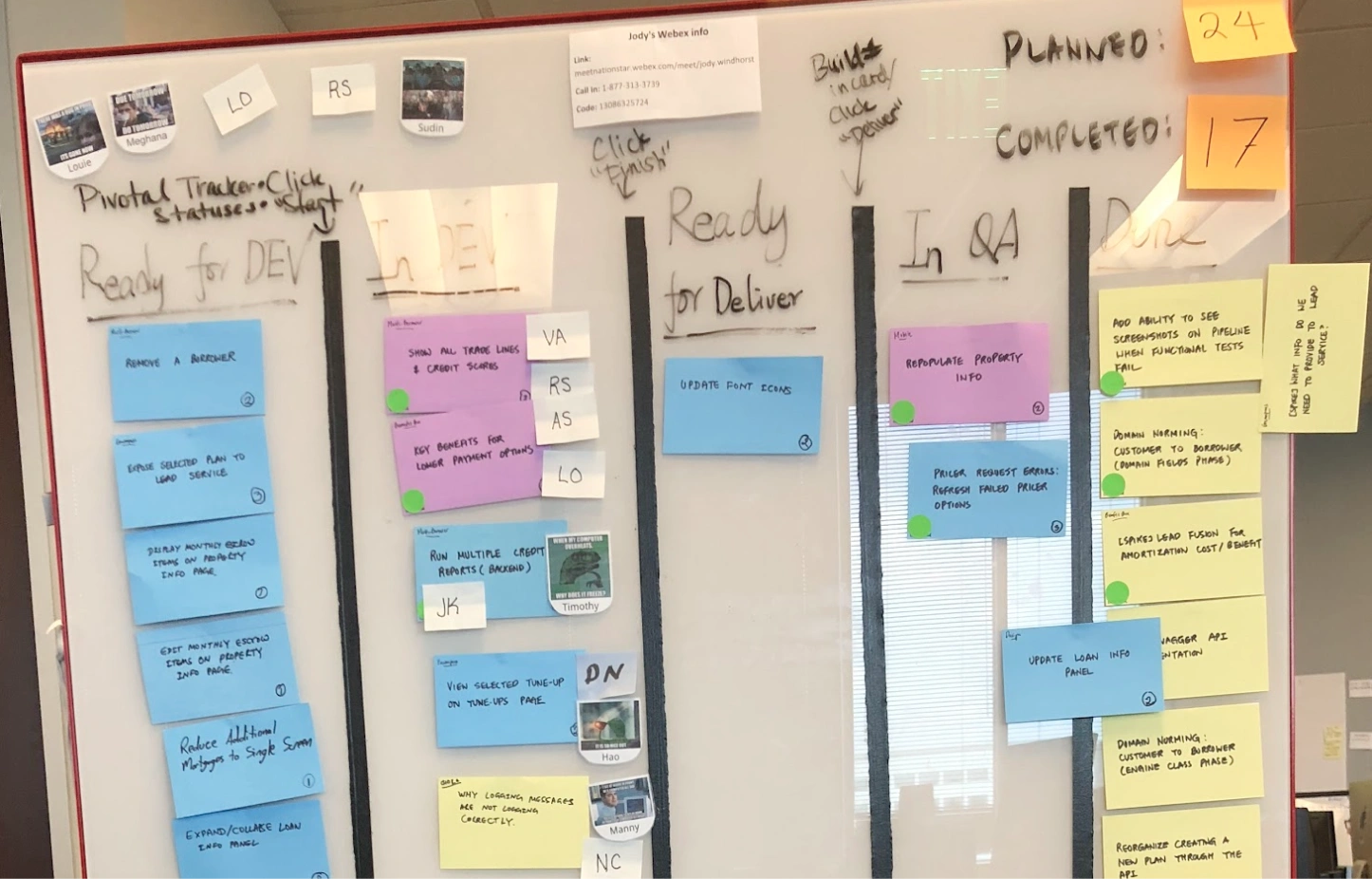
Our UX process aligned tightly with development sprints through continuous design validation and iteration. Each feature progressed from validated wireframes to development through structured design-to-development handoffs. Sprint reviews served as checkpoints for stakeholder alignment while parallel user testing informed rapid refinements. This dual feedback approach ensured features evolved based on both business requirements and user needs.
Daily workflows and team alignment
My role required consistent collaboration and alignment across various teams roles, day-to-day activities included:
- Daily stand-ups: Regular stand-up meetings ensured transparency, clarified blockers, and aligned team priorities.
- Story kickoffs and handoffs: Detailed story kickoffs aligned developers on user-centric goals, while handoffs included annotated prototypes and acceptance criteria.
- Pairing with BAs: Collaborating with business analysts to refine and synthesize user-focused stories, ensuring they captured both functional and experience requirements.
- Early desk checks: Quick feedback loops allowed developers to validate their work against the intended design before it progressed further.
- Showcases: Sprint showcases presented user-focused stories to stakeholders, advocating for user needs and gathering iterative feedback.
Milestone achievement
Through collaborative sprints across design, development, and testing teams, we successfully launched the foundational release of the mortgage platform. The seamless integration between the H.i. Engine and Sales Desk interface enabled mortgage professionals to efficiently manage customer consultations and loan planning workflows.
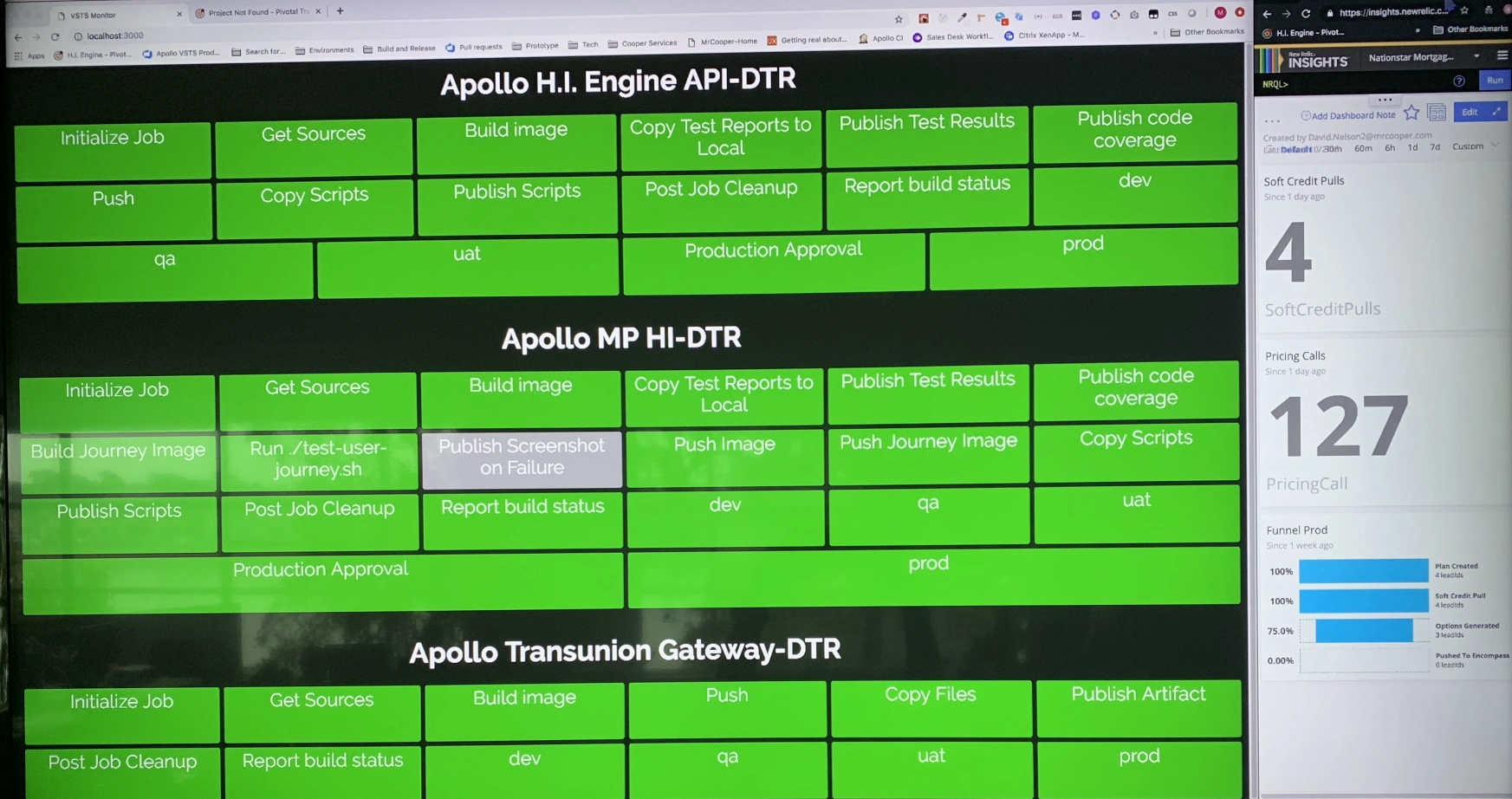
This milestone emerged from our dual-track approach, where design maintained a forward-looking vision while continuous testing refined features in development. The synergy between technical capabilities and validated user needs established a robust foundation that would drive the platform's evolution.
Outcomes and impact
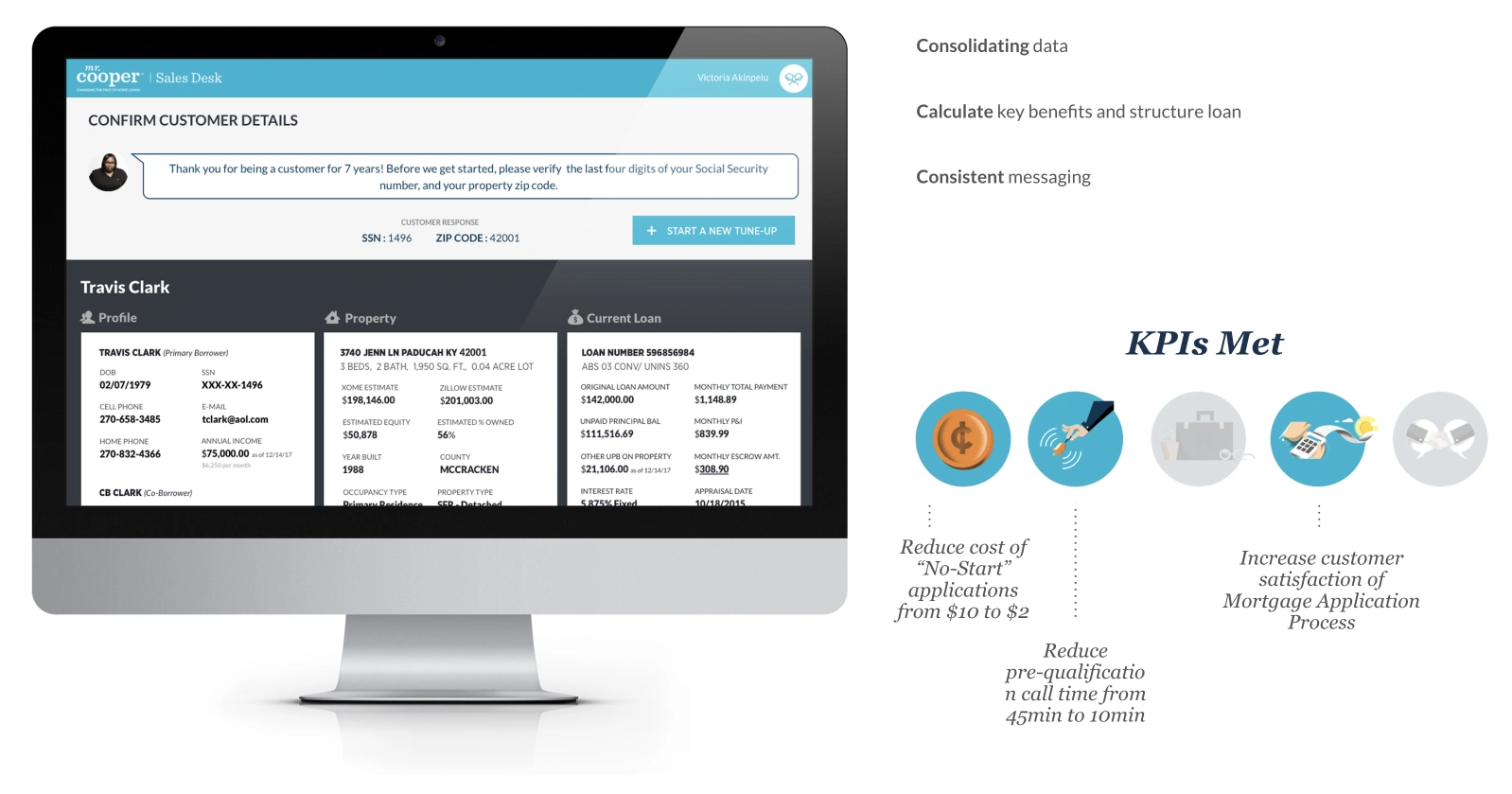
Release 1 of the Home Intelligence (H.i.) platform marked a transformative step in Mr. Cooper’s mortgage servicing capabilities. Powered by the H.i. engine, the platform delivered a seamless, end-to-end experience, supporting all personas across internal teams and borrowers, and improving the efficiency of the entire loan lifecycle.
Key results achieved
- 80% reduction in pre-qualification call time: Enabled faster resolutions and improved productivity.
- $8 saved per incomplete application: Reduced operational inefficiencies.
- 50% fewer disclosure package revisions: Eliminated delays caused by manual errors.
- 5x improvement in user satisfaction for internal teams: Attributed to intuitive tools and automated processes.
By Release 1, over 90% of customer scenarios were supported through automated processes and centralized data, while the H.i. engine provided a unified foundation for both the internal Sales Desk and customer-facing apps.
A foundation for the future
Release 1 validated the vision of a single unified platform, seamlessly integrating legacy systems while laying the groundwork for future releases. This iterative approach ensured scalability and continuous improvements toward a fully consolidated ecosystem.
As of 2024, the platform has evolved into the unified tool envisioned during this initiative, transforming fragmented workflows into a mature, intelligent system that empowers teams and enhances borrower experiences.
Final reflections
This is where my journey with the Home Intelligence initiative concluded. It was a privilege to contribute as the Lead UX, bringing together design, user insights, and technical alignment to help deliver Release 1. I am incredibly grateful for the opportunity to work alongside the amazing stakeholder teams at Mr. Cooper, whose collaborative vision and commitment were instrumental in this success.
I also want to thank the talented individuals at ThoughtWorks, developers, BAs, PMs, and tech leads, whose expertise and dedication made this transformation possible. From fragmented tools and disconnected processes to a robust, scalable platform, the Home Intelligence initiative stands as a testament to the power of cross-functional collaboration, user-centered design, and shared vision.
The Sales Desk solution is an internal tool designed exclusively for in-house operations and is not publicly accessible. However, please feel free to experience the public-facing app that is powered by the H.i. engine.
- iOS App: Download the Mr. Cooper iOS App
- Android App: Download the Mr. Cooper Android App
"Rajveer’s proactive approach to stakeholder alignment, managing discovery, and delivering user-centered designs was invaluable. His iterative front-end development and ability to address bottlenecks ensured seamless collaboration and laid a strong foundation for the Home Intelligence platform, helping to bring our vision to life."
"During discovery Rajveer enabled clear stakeholder communication and experimentation. He effectively engaged developers, QAs, and MPs, fostering productive pairings and driving design conversations. His ability to handle challenges, especially with client side product owner, and maintain a positive tone set the stage for impactful progress."